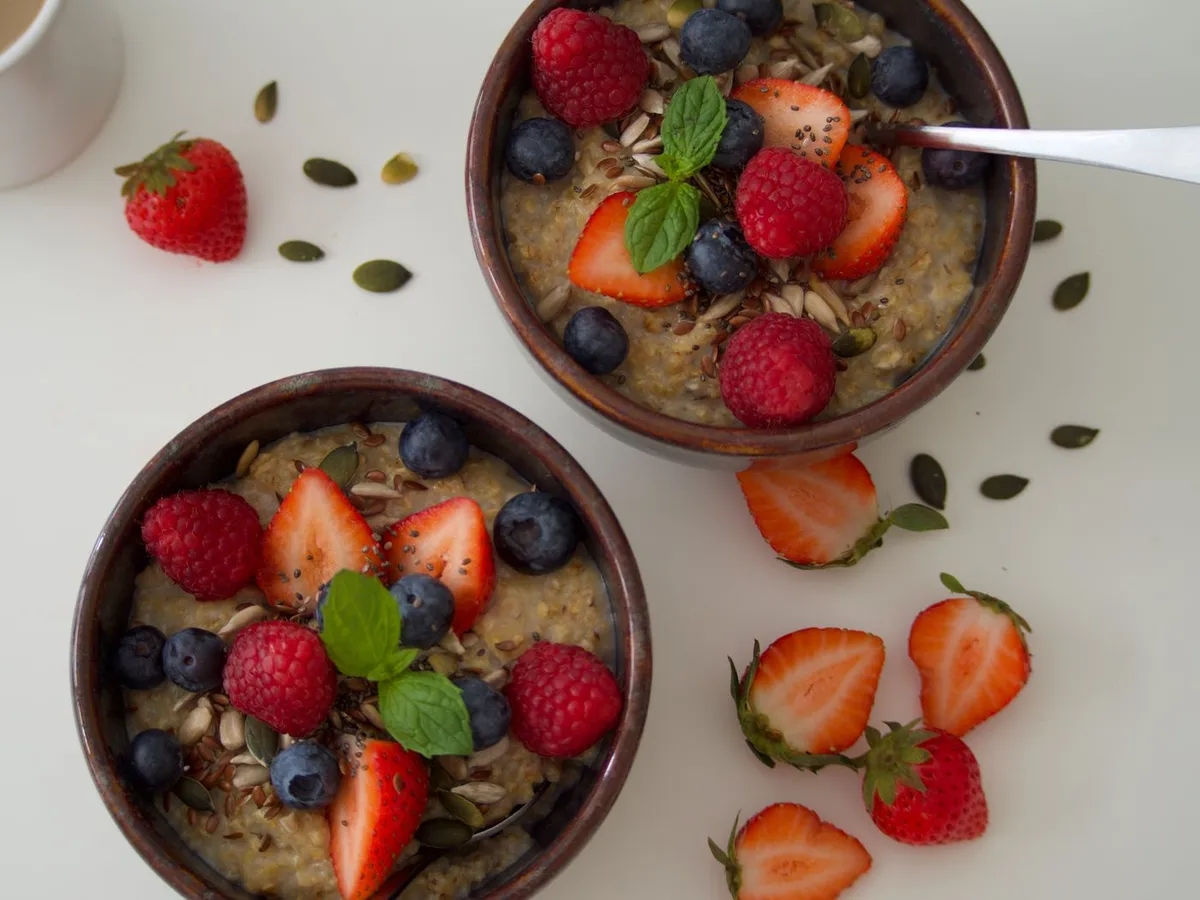
Breakfast often gets planned for a calmer morning than the one that actually arrives. The recipe looks appealing, the ingredients are in the kitchen, and then a late start or an early appointment changes everything. A useful routine has room for those mornings. It begins with food you like, a little practical preparation and a simpler option that is available when you do not want to cook.
There is no single breakfast that everyone must eat, and this article does not prescribe a meal schedule or a medical diet. Appetite, work hours, medication instructions and individual health needs differ. If you have dietary guidance from a qualified professional, keep it at the center of your choices. The ideas here concern making an ordinary meal easier to prepare, not promising a particular health result.
Notice how your mornings work
Think about a normal weekday. When do you have time to eat? Do you sit at home, take food to work or leave before you are hungry? How many people use the kitchen at once? These details matter more than whether your breakfast resembles a neatly arranged photograph. Write down the inconvenient part of the morning before choosing the food.
If the difficulty is cleaning a pan, a cooked breakfast may not be the best everyday choice. If the problem is remembering food before an early train, place a suitable prepared option beside what you take with you. If several family members want different meals, agree on a few shared ingredients rather than creating a separate cooking project for each person.
Choose two familiar starting points
Two useful options are often enough to begin. You might choose warm oats on mornings when you can cook and yogurt with fruit on mornings when you cannot. Another household might prefer toast with eggs or a savory leftover. The exact foods are less important than knowing what you can prepare comfortably and checking that the choices fit your needs.
A broad mix of food groups can be a helpful way to think about meals. USDA’s MyPlate resources discuss fruits, vegetables, grains, protein foods and dairy or suitable alternatives. Use that framework flexibly rather than trying to include every group in every bowl. Consider the overall pattern and any individual advice you have, not just the appearance of a single breakfast.
Keep oats simple before adding variety
If you enjoy porridge, follow the package instructions for the type of oats you buy. Different forms need different amounts of liquid and cooking time. Begin with a small batch, stir as needed and choose a texture you like. Add fruit or another topping at the end instead of making the base so complicated that it becomes difficult to repeat.
A banana, thawed berries or chopped apple can change the bowl without adding much work. Nuts and seeds are optional and require attention to allergies and appropriate portions. If you use a fortified plant drink, check the label for the nutrients and ingredients relevant to you. A pleasant bowl is worth keeping simple; it does not need to contain every fashionable addition.
Give the no-cook option equal attention
A no-cook breakfast should feel like a deliberate option rather than a disappointing backup. Put the necessary ingredients together on a shelf where they are easy to find. Plain yogurt with fruit, a suitable cereal with milk, or bread with an accompaniment you enjoy can be useful. Read labels and follow storage instructions instead of assuming that every product with a healthy-looking name is equivalent.
If you take breakfast out of the house, use a container that is easy to open, carry and clean. Keep perishable food appropriately chilled. A food-safety plan matters more than finding the prettiest jar. Choose a quantity you will actually eat, and think about whether you have a spoon, a suitable place to sit and enough time to enjoy the meal.
Use the evening without turning it into another shift
Prepare only the parts that make the next morning easier. Set out a bowl, wash a piece of fruit or check that the milk is available. You do not need to assemble an entire week of elaborate portions on Sunday. A small evening task can remove one awkward decision while leaving most of your evening free.
If you prepare food ahead, follow appropriate storage guidance and the ingredients’ instructions. Do not leave perishable food on a counter overnight for convenience. Keep preparation tools clean and label containers where useful. The routine should reduce confusion, including questions about when something was made, rather than creating a refrigerator full of identical jars with no clear plan.
Shop for what gets eaten
Watch what is left at the end of the week. A large bag may be cheaper per serving but wasteful if nobody likes the food after two mornings. Buying a smaller quantity while you test a new option can be sensible. Keep a brief shopping list based on what your household actually uses instead of collecting ingredients for several breakfasts you hope to try someday.
Frozen fruit and shelf-stable staples can offer flexibility, but read each product’s handling instructions. Fresh ingredients can be lovely when you have a plan for them. The choice is not a contest between perfect freshness and convenience. Think about storage space, cost and the time available, then buy a combination that lets you make the meals you intend to eat.
Avoid turning breakfast into a daily test
Some mornings will be different. You may be traveling, meeting someone for coffee or simply not following the usual pattern. That variation does not make the routine useless. A repeatable arrangement is there to help you when you need it, not to judge you when a day takes another shape. Return to the familiar option when it suits you again.
Likewise, do not force yourself to keep a breakfast that you dislike because someone described it as ideal. Try a different preparation or a different food. If eating in the morning is difficult because of persistent symptoms or another health concern, seek appropriate advice. A lifestyle article cannot explain every change in appetite or decide which dietary schedule is right for you.
Review what made the morning easier
After a week, ask whether your two options worked. Was anything repeatedly missing? Did preparation take longer than expected? Did the portion suit your appetite? Perhaps you need a smaller bowl, another savory choice or a better way to carry breakfast. Make one adjustment at a time so you can see whether it solves the practical problem.
The best routine for your home may be very ordinary: familiar food, a clean bowl and enough ingredients for the next day. That is not a lesser achievement than a complicated meal plan. When breakfast fits the morning you actually have, it can stop being another task waiting to go wrong and become something you know how to handle.