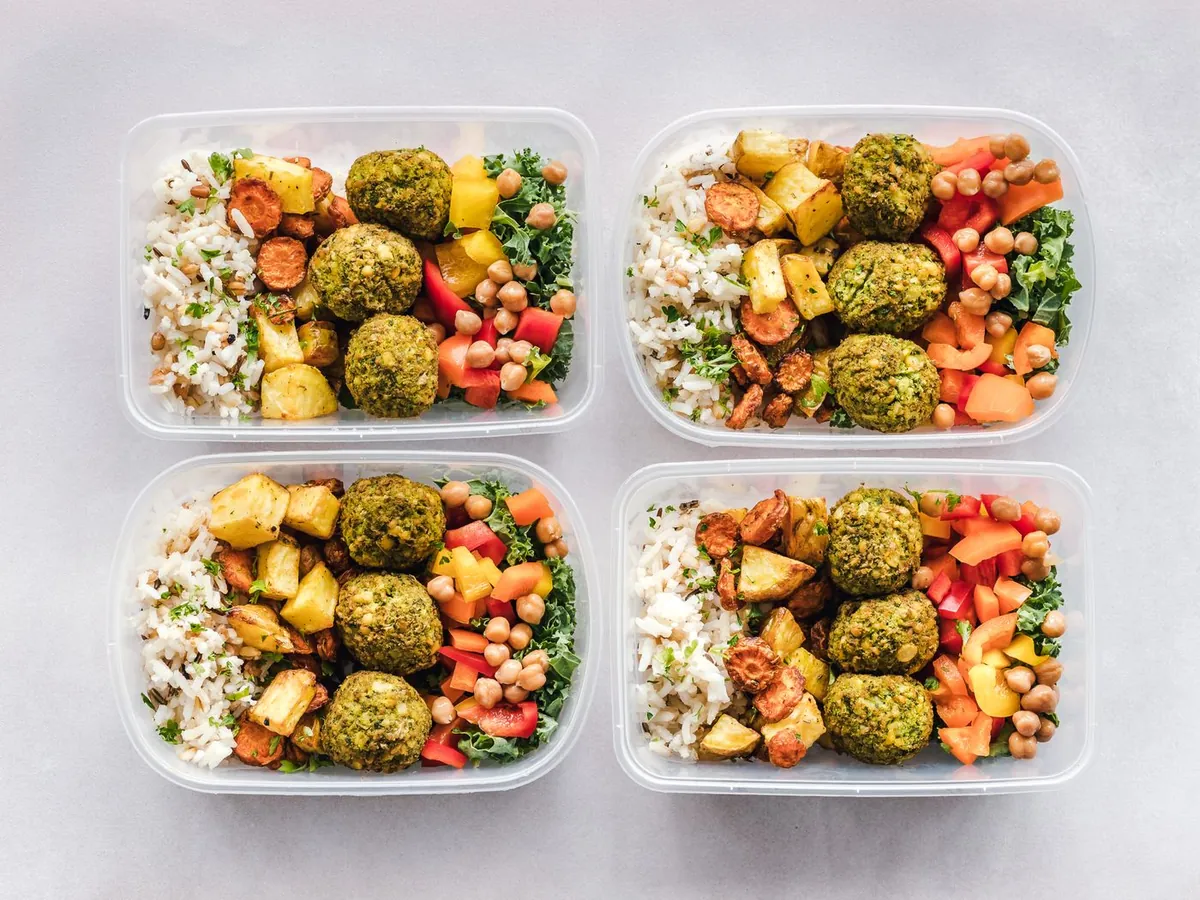
A healthy week does not have to begin with a dramatic announcement. More often, it begins with an ordinary decision: putting something useful in the shopping basket, stepping outside before the afternoon gets away from you, or preparing tomorrow’s breakfast while the kitchen is already open. These actions are small enough to seem unremarkable. That is part of their appeal. They can belong to a normal day instead of depending on a completely different life.
Before changing anything, look at the week you actually have. Work hours, caring responsibilities, money, mobility and the people who share your home all affect what is practical. A routine copied from someone else may be beautifully organized and still be wrong for your circumstances. The aim is to make a few helpful choices easier to repeat, while leaving room for enjoyment, flexibility and advice specific to your health.
Begin with one difficult moment
Notice where the day regularly becomes awkward. Perhaps lunch arrives before you have thought about food. Perhaps you spend the evening catching up on tasks and go to bed much later than intended. Perhaps you want to move more but keep waiting for an empty hour. Choose one of these moments rather than trying to improve every part of the day at once.
Write down what happens just before that moment. An unfinished meeting might lead to skipping lunch; a missing ingredient might lead to another shopping trip. The useful change may be practical rather than motivational. Keeping a simple lunch option available, or deciding on tomorrow’s walk before leaving work, gives the next day something concrete to work with.
Make ordinary meals easier to assemble
Think in combinations rather than perfect menus. A meal can begin with vegetables, a protein food and a grain or other starchy food, adjusted to your appetite and dietary needs. USDA’s MyPlate guidance provides a broad way to think about food-group variety. It is a starting point, not a personalized prescription or a reason to judge every plate against a photograph.
Keep a few ingredients that you genuinely enjoy and know how to prepare. Frozen vegetables, canned beans, eggs, oats and plain yogurt can be useful in many kitchens, but there is no mandatory shopping list. Check labels where relevant, including allergens and sodium. If you follow a medical diet, use your clinician’s guidance rather than replacing it with a general lifestyle plan.
Give movement a place in the calendar
The CDC recommends that adults work toward at least 150 minutes of moderate activity each week and include muscle-strengthening activity on two days. Activity can be spread across the week. Those figures describe general guidance; the starting point and appropriate activity depend on the person. Ask a qualified professional about changes if you have health concerns or limitations.
For planning, choose a time you can recognize: after breakfast, during a lunch break, or before sitting down for the evening. Decide what counts as the smaller version when the day is crowded. A short, suitable walk is more concrete than a vague promise to exercise later. Keep the plan comfortable enough that you are willing to return to it tomorrow.
Prepare the setting, not just the intention
A routine is easier to begin when the necessary things are close at hand. Put walking shoes where you can find them. Keep a shopping note on the refrigerator. Arrange the breakfast shelf so the food you use most often is easy to reach. These are modest changes, but they remove decisions that otherwise appear at an inconvenient moment.
Avoid turning preparation into an expensive project. You do not need matching containers or a new tracking device before making lunch. Start with what is already available. If a purchase eventually solves a specific problem, you can consider it then. Buying the appearance of an organized routine is different from having a routine that fits your day.
Protect a workable evening
Consider what needs to happen before you can stop for the night. Put tomorrow’s essentials together, make a brief note of unfinished work, and decide which tasks can wait. An evening does not become restful simply because a list says it should. It helps to give necessary work a realistic place rather than carrying every open question toward bedtime.
Sleep needs and sleep difficulties vary. This article does not offer a treatment for insomnia or another condition. For ordinary planning, a reasonably consistent evening schedule can make the household easier to organize. If sleep problems persist or affect daily functioning, discuss them with a healthcare professional instead of adding more rules to an already difficult night.
Keep enjoyment in the plan
A useful routine should include food, movement and leisure that you like. If every choice feels like a correction, it may be hard to sustain. Try a walking route with something interesting to see, a vegetable prepared in a way you enjoy, or a meal that people at home are pleased to share. Pleasant details are allowed to matter.
This also means leaving space for celebrations, meals out and changes of plan. One different day does not tell you that the whole arrangement has failed. Return to the next practical opportunity rather than trying to compensate with an unusually strict day. A flexible pattern has room for ordinary life; an all-or-nothing pattern is easily interrupted by it.
Review the week without grading yourself
At the end of the week, ask three useful questions. What was easy to repeat? What caused extra work? What would make next week a little simpler? You might discover that breakfast went well but lunch needed another option, or that an evening walk suited you better than the morning plan you originally chose.
Change the arrangement before blaming your determination. If a task takes too long, reduce it. If a food keeps being wasted, buy less or choose something else. If the schedule repeatedly conflicts with caring duties, find a different time. The review should produce information you can use, not another measure of whether you were good enough.
Choose a modest next step
Pick one action for the coming week and name the circumstances in which you will do it. For example, prepare a familiar breakfast ingredient after dinner, or take a suitable short walk after a regular appointment. Then decide what you will do if that moment is unavailable. A clear alternative saves you from renegotiating the whole idea on a busy day.
Over time, these decisions can become a way of looking after yourself that feels familiar rather than demanding. General healthy-living advice has value, but your circumstances deserve attention too. Start with a small, useful change, keep professional guidance where it is needed, and let the routine improve through experience instead of expecting it to arrive complete.