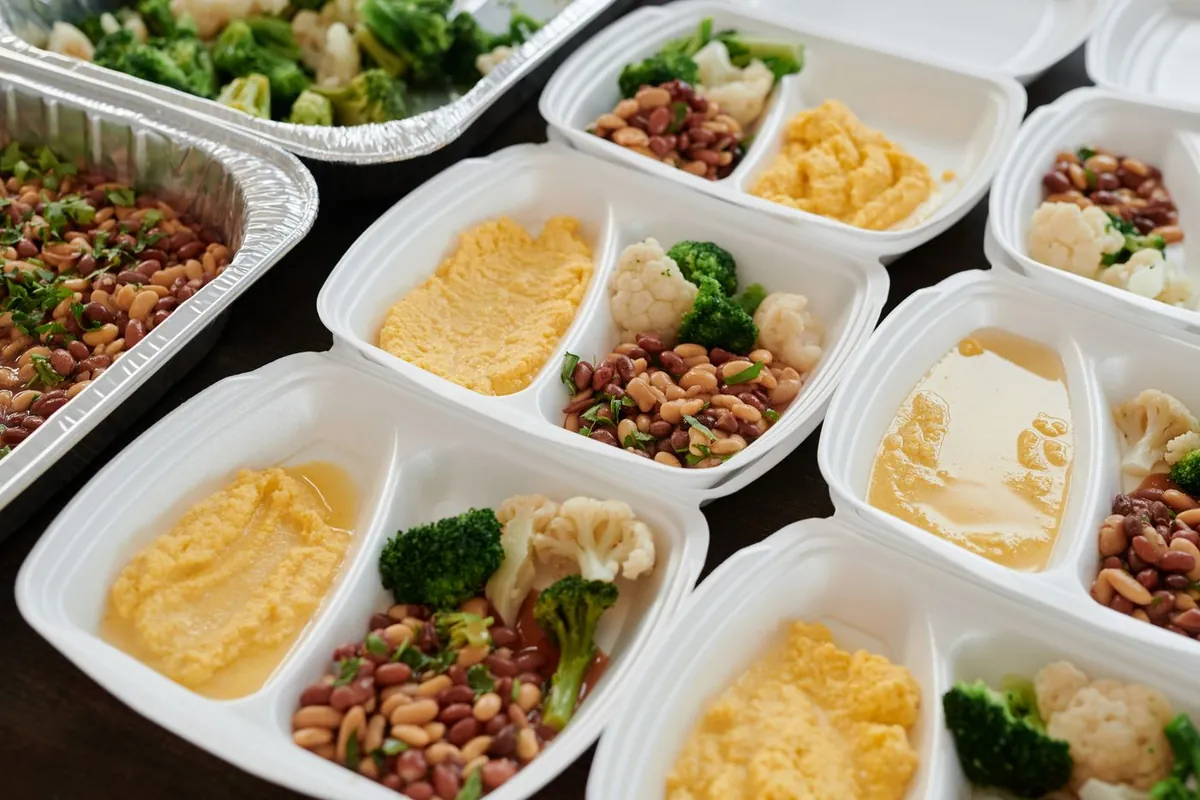
Preparing food on Sunday can be useful, but it does not have to mean spending the whole afternoon filling identical containers. A few components can give you options for the next couple of days without committing every meal to the same menu. The most helpful preparation begins with a specific question: what part of Monday’s cooking is likely to be inconvenient, and what can you reasonably do about it now?
This approach works best when it matches your household’s appetite, storage space and schedule. It is not a promise that a large batch will save everyone time or money. Food that remains uneaten has not improved the plan. Start with a small amount you expect to use, handle it safely and expand only if the arrangement actually helps you through the week.
Look at the coming days first
Check when you will be eating at home and who will be there. An evening appointment, a meal out or a different work shift changes how much food is useful. Choose two or three likely meals rather than planning a full week on the assumption that nothing will change. The calendar helps you decide which preparation is worth doing.
Then look in the refrigerator, freezer and cupboard. Note ingredients that need attention and check dates and condition. Do not use an ingredient merely to avoid waste if it has been stored unsafely or is otherwise unsuitable. A modest plan might begin with vegetables you intended to cook, a familiar grain and a protein food already on the shopping list.
Prepare components rather than complete boxes
A cooked grain, roasted vegetables and a simple sauce can appear in several meals. You might combine them in a bowl on Monday, add suitable leftovers to another dish on Tuesday or serve one component beside a freshly cooked meal. Keep the components separate where practical so you can adjust flavor and portion rather than feeling committed to an identical lunch every day.
Choose components you like in more than one form. If nobody enjoys a particular food once it has cooled, it may not be a good candidate for preparation ahead. Think about texture, reheating and what you will have time to add later. Flexibility is useful only when it produces meals your household is willing to eat.
Give vegetables a clear job
Instead of chopping every vegetable in the kitchen, decide where each will be used. Roast one tray for a planned dinner, wash produce for a specific meal or prepare a small quantity for a recipe you know you will cook. Follow storage instructions for the particular ingredients. Some produce keeps better whole than cut, so preparation is not automatically an improvement.
Keep the amount manageable and use clean equipment. If you prepare several foods, avoid cross-contamination and follow appropriate handling guidance. A neat display of containers is not proof that the food was prepared safely. The practical goal is to remove a step from a meal you intend to make, not to create a photograph of a fully organized refrigerator.
Cook one familiar base
Choose a grain, bean dish or soup you already know how to prepare. Follow the package directions or a reliable recipe, and avoid multiplying quantities so much that the cooking behaves differently from what you expect. A large pot takes space to cook, cool and store. Make sure the kitchen can handle the amount before deciding that a bigger batch must be better.
Keep seasoning adaptable if the base will appear in different meals. You can add herbs, a sauce or another accompaniment when serving. Label what you have made and how you intend to use it. A brief note can prevent the common problem of opening a container on Tuesday and having to remember whether it was meant for lunch, dinner or freezing.
Let cooling and storage guide the schedule
Prepare refrigerator space and containers before cooking. Do not finish a large batch and only then discover that it has nowhere safe to go. Use shallow containers for leftovers, refrigerate promptly and follow current USDA guidance. Perishable food should not remain on the counter for hours while you wait for everything else to be finished or the kitchen to be completely tidy.
Keep the refrigerator at 40°F or below and consider a thermometer if you are unsure about its temperature. Mark containers with the contents and preparation date. Storage limits vary by food; use an authoritative guide for the actual item rather than assuming that every prepared meal keeps for the same length of time. Freeze suitable portions promptly when that better matches your schedule.
Plan how food will reach the table
Preparation does not end when the container goes into the refrigerator. Think about reheating, accompanying ingredients and the equipment you will use on Monday. If a meal needs a sauce, clean pan or another fresh ingredient, make sure those are available. The remaining steps should be clear enough that you are not reconstructing the original plan at the end of a tiring day.
For leftovers that need reheating, USDA recommends reaching 165°F. Use an appropriate food thermometer and follow guidance for even heating, including when using a microwave. If you take food away from home, consider safe chilled transport and where it will be stored before eating. Convenience should not depend on leaving a perishable meal in unsuitable conditions.
Keep a simple fallback meal
Even a thoughtful plan can meet an unexpected evening. Keep one familiar option that uses suitable ingredients you normally have. It might be a quick soup, eggs prepared as you prefer, or a simple bean-and-vegetable dish. The choice depends on your household and dietary needs. A fallback is useful because it is easy to assemble, not because it meets a particular online definition of meal preparation.
Do not make the backup another project that requires advance work. Its role is to reduce the consequences of a changed day. Check that everyone knows which ingredients are reserved for it, especially in a shared kitchen. A plan becomes more flexible when the alternative is available and understood rather than buried in a long list of possible recipes.
Learn from what actually gets used
At the end of the week, look at the containers you emptied and the food that remained. Did you prepare too much? Did the same flavor become repetitive? Was the most useful task simply washing a few ingredients? These answers can make the next Sunday easier. Keep the helpful part without insisting on maintaining the entire system you first imagined.
Sometimes the right amount of preparation is a single tray and a short shopping note. Sometimes it is a soup divided into safe portions. The measure is whether it helps with the meals you actually eat. Plan modestly, keep handling and storage clear, and leave enough of Sunday free that preparing for Monday does not consume the weekend you wanted to enjoy.