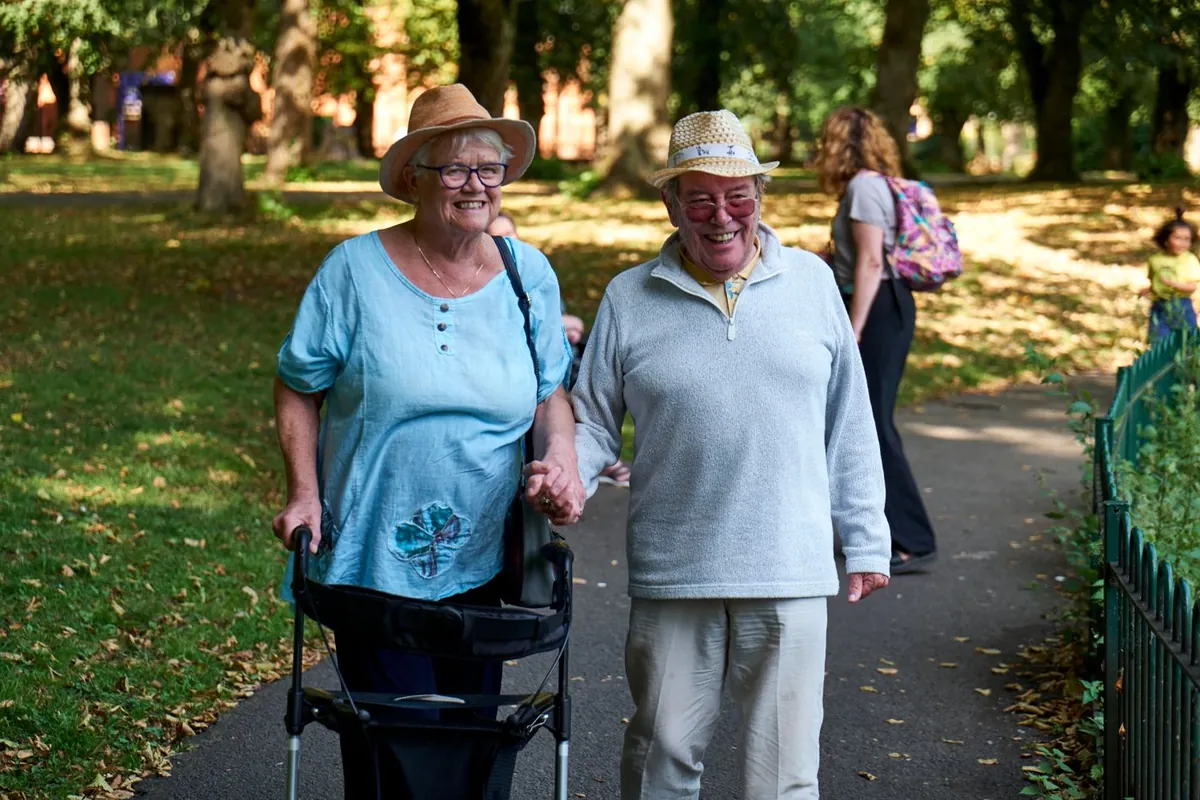
Walking can be appealing because the arrangement is usually simple: a suitable route, appropriate footwear and a little time. Yet a simple activity can still be difficult to fit into a busy week. Weather changes, appointments run late and the route you imagined turns out to be inconvenient. A useful plan takes those details seriously instead of assuming that wanting to walk is enough to make it happen.
The suggestions here concern planning an activity that is appropriate for you. They are not a personalized exercise prescription. If you have a health condition, balance concern, pain or uncertainty about changing your activity, ask a qualified professional for guidance. Walking is one option among several ways to move, and an individual’s abilities and needs deserve more attention than a generic target or someone else’s preferred pace.
Find a route that is easy to begin
Start close to where you normally are rather than choosing an impressive destination. A familiar park, a quiet block or an accessible indoor route may be more practical than a place that requires a drive. Notice surfaces, slopes, crossings, lighting and opportunities to sit if you need them. The route should fit your needs before it fits your idea of what a proper walk looks like.
Try the route at the time you expect to use it. A pleasant street at midday might be poorly lit after work; a path can become crowded during school pickup. Check how long the entire outing takes, including leaving the building and returning. Those extra minutes are part of the activity, and a realistic estimate makes it easier to keep an appointment with yourself.
Connect the walk to something familiar
Choose a recognizable point in the day: after breakfast, during an established break or before returning home from an errand. Linking the plan to a regular event gives it a place that is easier to remember. You can still change it when circumstances require, but the ordinary version should be clear enough that you do not have to negotiate every detail from scratch.
Consider practical barriers at that moment. If you are hungry after work, an outing before dinner may not be attractive. If the morning is already a rush, adding another task may create frustration. You might prefer a shorter midday route or an evening walk with someone at home. Choose based on the day you have, not the day you think you ought to have.
Let the starting version be manageable
Begin with an amount and intensity suitable for your current circumstances. Do not use another person’s distance or pace as a requirement. A modest route that you can complete comfortably gives you useful information about timing, surfaces and how you feel. If a health professional has given you specific advice, follow that rather than expanding the plan because the first outing seemed easy.
General CDC guidance encourages adults to move more and spend less time sitting. Its weekly activity recommendations are useful context, but they are not a demand to complete everything in a single session. Keep a record if it helps you see a pattern, without treating every outing as a performance. Consistency and suitability are more useful planning questions than whether the walk looked impressive.
Prepare for the conditions you will meet
Wear footwear and clothing appropriate to the route and weather. Check forecasts and conditions, including heat, cold, rain and poor air quality. Take water when needed and think about where you could seek shelter or return early. Keep any equipment you rely on in good condition. A familiar walk is still an outdoor activity with practical details to consider.
If you walk near traffic, use suitable crossings and make yourself visible. Stay aware of your surroundings rather than letting a phone or headphones remove attention from the route. Share your plans where appropriate, particularly for an unfamiliar or isolated outing. These checks need not turn a small walk into an expedition; they help make a routine outing sensible.
Decide what the walk is for
Some days you may want an active break, while on others you want to look at a garden or talk with a friend. Both can have a place, provided the activity suits you. Be clear about the purpose when walking with someone else. Different expectations about pace and conversation can make a pleasant plan feel unexpectedly awkward.
An errand can also become part of the arrangement if the distance, surface and load are manageable. Think about the return journey before choosing to walk to a shop. A bag that seems light at the checkout may be inconvenient over the distance home. Use the outing to support your day rather than adding a physical task you had not considered.
Make a weather alternative before you need it
Decide what happens when the normal route is unsuitable. An accessible indoor location may be an option, or you may choose another appropriate activity based on your needs. If no safe alternative is available, changing the day can be the sensible choice. A plan is not improved by insisting that you follow it despite conditions that make it unsuitable.
Keep the alternative simple. It should not require several new decisions at the moment the weather changes. Check opening hours, access and any costs in advance. If you have mobility limitations, ensure that the alternative is actually usable rather than merely described as indoors. The point is to preserve a practical opportunity, not to find a loophole that makes every missed outing your fault.
Invite company without making it essential
Walking with someone can be enjoyable, but the arrangement should be honest about each person’s needs. Agree on time, route and pace, and allow either person to suggest a change. If one of you needs a shorter outing, make that clear before leaving. Company is helpful when it supports the activity, not when it creates pressure to ignore discomfort or a practical limit.
Have an independent version if that is appropriate for you. A canceled meeting does not necessarily need to cancel your own plan, but safety and ability matter. You might take a familiar shorter route, reschedule or choose another suitable activity. Avoid building a routine that depends on someone else being available every time unless that support is genuinely necessary.
Notice the pattern rather than one day
After a week or two, look at what made the outings possible. Did a certain time work well? Was the route too exposed to weather? Did preparation take longer than expected? These observations can guide a small adjustment. A missed day may simply show that the schedule needs another option, rather than proving that the idea was unrealistic from the beginning.
A regular walking habit does not have to look the same every week. Your surroundings, responsibilities and needs can change. Keep the route suitable, the timing realistic and professional guidance where it belongs. The useful goal is an activity that can live comfortably inside your day, with enough flexibility to keep returning to it when circumstances allow.