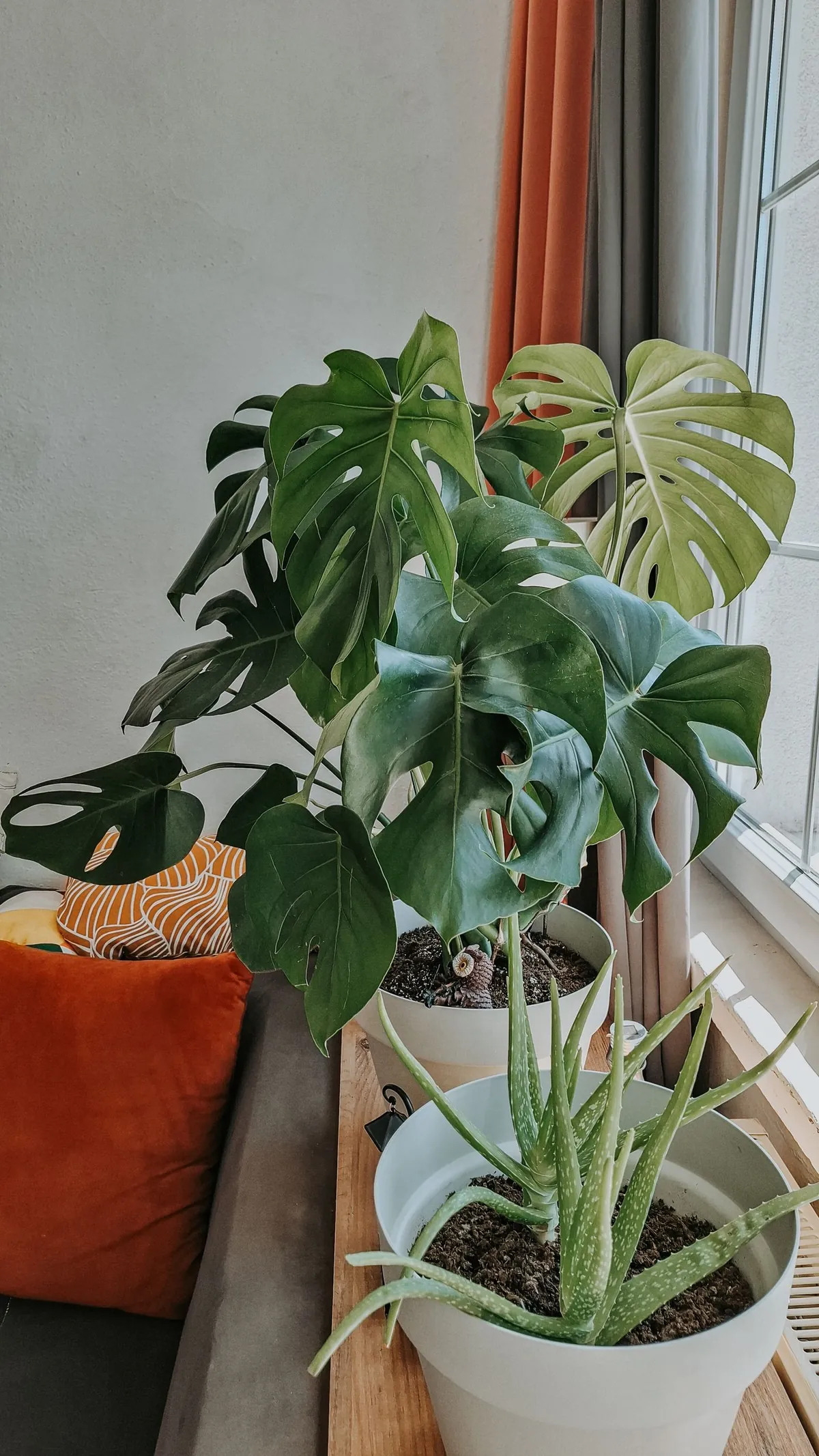
Choosing an indoor plant is easier when you begin with the room rather than the shop. A plant can look wonderful under a nursery’s bright conditions and struggle on a distant shelf at home. Before deciding which leaves you like, look at the window, the changing light and the space you can give a pot. The best choice is the one that suits those conditions and the amount of care you can reliably provide.
This is not a ranking of plants that thrive everywhere. Homes differ, and even two windows in the same room can offer different conditions. The suggestions below are a practical shortlist for investigation. Check the exact species on the label, ask about its growing requirements, and consider children and pets before bringing it home. Attractive foliage is only one part of a good match.
Read the light in your room
Spend a day noticing where direct sunlight falls and for how long. A bright window with strong afternoon sun is different from a room that feels pleasant to people but receives little light at plant level. Buildings, trees, blinds and the distance from the glass all change what reaches a leaf. Season also matters: a spot can be bright in summer and much dimmer in winter.
Terms such as bright indirect light are useful, but they are not precise measurements of every home. Ask the seller to explain what a plant needs in practical terms. Take a photograph of the intended spot if that helps the conversation. Avoid choosing a plant for a decorative corner first and hoping that care instructions will somehow make the light suitable afterward.
A spider plant for an adaptable display
A spider plant is worth considering if you like arching leaves and have room for the plant to spread. It can work on a stable stand or in a secure hanging pot, provided the location meets its needs. The small plantlets it may produce are part of its appeal, although they should not be treated as a promise that every newly purchased plant will immediately fill the room.
The ASPCA lists the spider plant, Chlorophytum comosum, as non-toxic to cats and dogs. That does not make chewing a houseplant a good habit or remove every possible problem. Keep plants, loose soil and hanging cords away from curious animals where possible. Confirm the botanical identity rather than relying on a nickname that could be applied to another plant.
A parlor palm for a softer silhouette
A parlor palm can be a useful option when you want fine, upright foliage rather than a trailing plant. Choose a size that fits the space now, and ask about its likely mature dimensions. A small pot on a shelf and a larger floor specimen create very different arrangements. Consider how you will move it for cleaning, watering and access to the window.
The ASPCA lists Chamaedorea elegans as non-toxic to cats and dogs. Check that this is the plant you are buying; the word palm is also used for plants with very different safety profiles. A pet-friendly shortlist still needs stable pots and sensible placement. If your pet persistently investigates foliage, consult your veterinarian and adjust the arrangement rather than assuming the label settles everything.
Consider a snake plant with the right cautions
A snake plant’s upright leaves suit people who prefer a clear, architectural shape. It can be attractive where a sprawling plant would crowd the room. However, appearance should not distract from the exact plant’s requirements or your household’s needs. Check the botanical label, available light, pot drainage and care instructions before choosing it for a narrow floor space.
The ASPCA lists the snake plant as toxic to cats and dogs. For a home with an animal that may chew leaves, it may be better to choose a different plant altogether. A high shelf is not always an effective barrier for a cat. Do not rely on a fashionable photograph, a generic easy-care label or the hope that a pet will leave it alone.
Choose a pot that allows sensible watering
A decorative container is often a cover pot rather than the pot in which the plant should be watered. Check whether the inner pot has drainage holes and whether water can collect unnoticed at the bottom. Protect furniture with an appropriate saucer or waterproof arrangement, while making sure the plant is not left standing in unwanted excess water.
Avoid watering every plant according to the same calendar. Different species, pot sizes, soils, temperatures and growing conditions create different needs. Read the care instructions and learn how to assess the plant and its potting mix. If you are unsure, ask a reliable nursery for help. A reminder can prompt you to check; it does not have to command you to water.
Think about access and maintenance
A beautiful arrangement can become frustrating if you cannot reach the pots easily. Allow enough space to inspect leaves, remove fallen material and carry a plant to a suitable watering area. Consider the weight of the wet pot, especially for a high shelf or a floor container. Secure stands and hanging fittings according to the equipment’s instructions.
Plan for ordinary household tasks as well. Curtains should still move freely, doors should open, and walkways should remain clear. A plant need not occupy the most convenient spot merely because that spot receives good light. Sometimes the better decision is a smaller specimen, a different species, or no plant in that particular corner.
Buy one plant before building a collection
Start with a single suitable plant and see how the care fits your week. Keep its name and instructions somewhere you can find them. Note changes in the plant and in the room, such as heating coming on or sunlight shifting. Learning the needs of one plant is more manageable than troubleshooting six different purchases at once.
When you buy another, use what you have learned rather than recreating a social-media display. A few healthy plants with room to grow can be more satisfying than a crowded collection that is difficult to maintain. Choose for the real windowsill, the real household and the care you can give. That is what makes a plant earn its place.